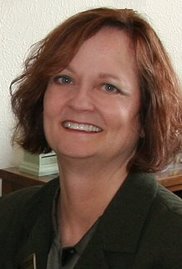
In my business as a Professional Geriatric Care Manager, many seniors and their families come to me with questions about how to pay for long term care. Most seniors want to stay in their own homes, and some may be able to if they can afford the care that they require now, and in the future. For many seniors the equity in their home is their largest single asset, yet it is unavailable to use unless they use a home equity loan. But a conventional loan really doesn't free up the equity because the money has to be paid back with interest.
A reverse mortgage is a way of tapping into home equity without creating monthly payments and without requiring the money to be paid back during a person's lifetime. Instead of making payments the cash flow is reversed and the senior receives payments from the bank. Thus the title "reverse mortgage".
Many seniors are finding they can use a reverse mortgage to pay off an existing conventional mortgage, to create money to pay off debt, make home repairs, or for remodeling.
For those seniors who are in need of long term care and want to stay in their home, a reverse mortgage can create the money needed to pay for in-home personal and medical care. They can also pay for needed medical equipment and handicap adaptation to their home.
There are no income, asset or credit requirements. It is the easiest loan to qualify for. You must be at least 62, own and live in, as a primary residence, a home [1-4 family residence, condominium, co-op, permanent mobile home, or manufactured home] in order to qualify for a reverse mortgage.
A reverse mortgage is similar to a conventional mortgage. As an example:
• The bank does not own the home but owns a lien on the property just as with any other mortgage
• You continue to hold title to the property as with any other mortgage
• The bank has no recourse to demand payment from any family member if there is not enough equity to cover paying off the loan
• There is no penalty to pay off the mortgage early
• The proceeds from a reverse mortgage are tax-free and can be used for any legal purpose you wish
False Beliefs Regarding Reverse Mortgages
• "The lender could take my house." The homeowner retains full ownership. The Reverse Mortgage is just like any other mortgage; you own the title and the bank holds a lien. You can pay it off anytime you like.
• "I can be thrown out of my own home." Homeowners can stay in the home as long as they live, with no payment requirement.
• "I could end up owing more than my house is worth." The homeowner can never owe more than the value of the home at the time the loan is due.
• "My heirs will be against it." Experience demonstrates heirs are in favor of Reverse Mortgages.
There are some things to be aware of when thinking of using a reverse mortgage. According to Walter Updegrave, a senior editor at MONEY Magazine and author of "Investing for the Financially Challenged," closing costs and other fees can run into thousands of dollars. If the borrower remains in their home for many years after taking the reverse mortgage, and uses the money to stay independent by paying for caregivers, for example, then the costs may be worth the risk. If, however, the borrower dies or has to move to a more protected environment within a few years, the fees may not be worth it. (http://money.cnn.com/2004/03/30/pf/expert/ask_expert/)
The amount of reverse mortgage benefit for which you may qualify, will depend on
• your age at the time you apply for the loan
• the reverse mortgage program you choose
• the value of your home
• current interest rates
• and for some products, where you live
As a general rule, the older you are and the greater your equity, the larger the reverse mortgage benefit will be (up to certain limits, in some cases). The reverse mortgage must pay off any outstanding liens against your property before you can withdraw additional funds.
The loan is not due and payable until the borrower or borrowers no longer occupy the home as a principal residence (i.e. the borrower sells, moves out permanently or passes away). At that time, the balance of borrowed funds is due and payable, all additional equity in the property belongs to the owners or their beneficiaries.
Other considerations regarding reverse mortgages are that interest rates and fees can vary widely among reverse mortgage lenders. Mr. Updegrave states, “… it can be very difficult to compare the true costs of different loans from different lenders. The best way to do that is to compare each loan's ‘TALC,’ or total annual loan cost.
This figure, which reverse mortgage lenders are required to disclose by federal truth-in-lending laws, takes all loan costs into account as well as the timing on the payments you're projected to receive.”
( NEW YORK (CNN/Money) - What are your feelings pro and con about reverse mortgages?
-- Josephine Amato, Wyckoff, New Jersey) (http://money.cnn.com/2004/03/30/pf/expert/ask_expert/)
The most popular reverse mortgages are the so-called HECM loans. HECM loans require that the applicant meet with a government approved counseling agency to be sure the applicant understands the reverse mortgage process.
The Federal Trade Commission states:
“Before applying for a HECM, you must meet with a counselor from an independent government-approved housing counseling agency. Some lenders offering proprietary reverse mortgages also require counseling. The counselor is required to explain the loan’s costs and financial implications, and possible alternatives to a HECM, like government and nonprofit programs or a single-purpose or proprietary reverse mortgage. The counselor also should be able to help you compare the costs of different types of reverse mortgages and tell you how different payment options, fees, and other costs affect the total cost of the loan over time. Most counseling agencies charge around $125 for their services. The fee can be paid from the loan proceeds, but you cannot be turned away if you can’t afford the fee.”
A Reverse Mortgage Specialist in your area can answer your questions, calculate the amount of loan you can receive and advise the type of loan for your needs. The National Care Planning Council (http://longtermcarelink.net/a7reversemortgage.htm) has a list of Reverse Mortgage Specialists in your area. Also, the AARP website has a section on reverse mortgages at http://www.aarp.org/money/credit-loans-debt/reverse_mortgages/. Do your homework and make sure that you also consult with your own financial advisor about whether a reverse mortgage is the best way for you to utilize the equity in your home.
Showing posts with label Taking Care of Seniors. Show all posts
Showing posts with label Taking Care of Seniors. Show all posts
Wednesday, April 20, 2011


Sunday, February 13, 2011
Planning Ahead for ElderCare
I've received more requests than usual recently for assistance with planning ahead for aging parents. This is an indication that more people are seeing what is happening around them with long term care. The general population has no idea what services are available, appropriate, affordable to alleviate stress and improve quality of life as we age.
Take a look around. Talk with your friends and neighbors. Notice how many people are engrossed in the task of caregiving. Tell them there is hope. There are resources. And there are experts in the field that can guide and assist them through their journey.
Make sure you are educating yourself about what your parents need, what they have, and what they do not have. Where are their finances? Who are their doctors? What hospital do they prefer? What legal documents have they updated (healthcare Powers of Attorney, financial POAs, Trusts, Living Wills, etc.).
Don't wait for the crisis. Plan ahead. You will be much more prepared and experience less stress if you take your head out of the sand and look around to prepare.
Take a look around. Talk with your friends and neighbors. Notice how many people are engrossed in the task of caregiving. Tell them there is hope. There are resources. And there are experts in the field that can guide and assist them through their journey.
Make sure you are educating yourself about what your parents need, what they have, and what they do not have. Where are their finances? Who are their doctors? What hospital do they prefer? What legal documents have they updated (healthcare Powers of Attorney, financial POAs, Trusts, Living Wills, etc.).
Don't wait for the crisis. Plan ahead. You will be much more prepared and experience less stress if you take your head out of the sand and look around to prepare.
Tuesday, May 20, 2008
Passionate about Helping Families with Seniors
I just read something amazing about how to help more people in my business. According to Dr. Symeon Rodger (Dr. Symeon Rodger [MemberServices@MindsetBootcamp.com]), who sends wonderful tidbits, and teaches marvelous full courses in the Law of Attraction (you know, "The Secret"(r)), instead of focusing on what I WANT, I need to be focusing on what makes me passionate. What I am passionate about is helping people in a unique way. When family members call me, and they tell me, "Why didn't I know about you 6 months ago!" When I am able to help them with problem-solving, with finding the right housing location, with advocating for a long term care facility not to discharge their parent without a viable discharge plan. I get very passionate about that. I love it.
I'm going to start focusing on this passion, and appreciate the fact that I do help people in a way that no one else really can except for other trained Professional Care Managers who see the big picture, and work specifically for the good of the client and not for a facility or insurance conglomerate.
I'm smart. I'm intelligent. And, by golly, people like me!
I'm going to start focusing on this passion, and appreciate the fact that I do help people in a way that no one else really can except for other trained Professional Care Managers who see the big picture, and work specifically for the good of the client and not for a facility or insurance conglomerate.
I'm smart. I'm intelligent. And, by golly, people like me!
Wednesday, April 16, 2008
Seniors: Safety versus Denial
I sat with a brother and sister last week who needed to vent about their widowed, childless aunt. Aunt Edna, we'll call her, was supposed to attend the meeting as well, but she conveniently decided to go shopping with her grand-nephew when he came over earlier to see how she was getting along. "It's nice that your son helps out when he can," I observed. "But that's just it!" lamented the niece, "We offered to take her shopping yesterday, and she refused. She knew we were having this meeting and didn't want to be here, so when he came over she rooked him into taking her. She takes advantage of us and we have to find a better solution than this piecemeal kind of scheduling!"
I was visiting as a home health social worker in this instance, I contract with several agencies in town, making up to two visits to help people find resources and educate them about long term care issues to keep them out of the hospital as long as possible. This scenario is typical. Grown "Sandwiched Boomers" have become caregivers for their parents and other aging relatives. They still work fulltime, have grown kids and grandchildren of their own in many instances. And sometimes the senior just isn't interested in changing anything about the situation. They helped create it. As I told this brother and sister, "She's trained you very well." They rolled their eyes exasperatedly.
One of the primary referrals I wanted to make for this 90+year-old woman still living in her own home, alone, was for an Emergency Response System (ERS). I had offered it on my first visit, and she had refused. This time, when she returned from shopping, she agreed to the referral and I had her niece and nephew as witnesses. An ERS (remember: "help, I've fallen and I can't get up") is one way to increase a senior's safety and successful retention of their independence. Even if they do fall, if they receive help within an hour the chances of returning home are around 80%. If they lie on the floor for hours, there is an 80% chance they will spend the rest of their lives in a nursing facility.
So, I made the referral, to the relief of the caregiver family members. Two days later I received a call from the ERS company: she politely refused to have them install the system. Two days after that I received a call from the nephew: "Aunt Edna is in the hospital. She fell and no one found her for about 4 or 5 hours. We need some help with planning for the next stage."
I hope I can get her home with assistance. She'll probably need extensive rehab. She was dehydrated, of course. Had she had the system, she would have been rescued before dehydration had set in.
Some people just don't listen. It's frustrating. I keep trying anyway.
I was visiting as a home health social worker in this instance, I contract with several agencies in town, making up to two visits to help people find resources and educate them about long term care issues to keep them out of the hospital as long as possible. This scenario is typical. Grown "Sandwiched Boomers" have become caregivers for their parents and other aging relatives. They still work fulltime, have grown kids and grandchildren of their own in many instances. And sometimes the senior just isn't interested in changing anything about the situation. They helped create it. As I told this brother and sister, "She's trained you very well." They rolled their eyes exasperatedly.
One of the primary referrals I wanted to make for this 90+year-old woman still living in her own home, alone, was for an Emergency Response System (ERS). I had offered it on my first visit, and she had refused. This time, when she returned from shopping, she agreed to the referral and I had her niece and nephew as witnesses. An ERS (remember: "help, I've fallen and I can't get up") is one way to increase a senior's safety and successful retention of their independence. Even if they do fall, if they receive help within an hour the chances of returning home are around 80%. If they lie on the floor for hours, there is an 80% chance they will spend the rest of their lives in a nursing facility.
So, I made the referral, to the relief of the caregiver family members. Two days later I received a call from the ERS company: she politely refused to have them install the system. Two days after that I received a call from the nephew: "Aunt Edna is in the hospital. She fell and no one found her for about 4 or 5 hours. We need some help with planning for the next stage."
I hope I can get her home with assistance. She'll probably need extensive rehab. She was dehydrated, of course. Had she had the system, she would have been rescued before dehydration had set in.
Some people just don't listen. It's frustrating. I keep trying anyway.
Tuesday, February 26, 2008
Time - where does it go?
When I first started blogging I intended to write daily, or at least weekly. Looking at the dates of my posts, it is evident that my life is busier than I expected. Where does the time go? How do we find the time, make the time, for our families and the things that are important in our lives?
My senior clients tell me that their grown children do not have time for them. The sandwich generation struggles with balancing time between their aging parents, their growing children, and their own careers and relationships. Time is one thing we can't reproduce. Once it's gone, it's gone forever.
Too many regrets fall from the lips of people at the end of their lives: "I should have seen my parents more often." "I should have spent more time with my children growing up."
Someone told me recently: "Things are not important. People are."
If we keep that thought in the forefront of our minds, perhaps there will be fewer regrets at the end of life.
My senior clients tell me that their grown children do not have time for them. The sandwich generation struggles with balancing time between their aging parents, their growing children, and their own careers and relationships. Time is one thing we can't reproduce. Once it's gone, it's gone forever.
Too many regrets fall from the lips of people at the end of their lives: "I should have seen my parents more often." "I should have spent more time with my children growing up."
Someone told me recently: "Things are not important. People are."
If we keep that thought in the forefront of our minds, perhaps there will be fewer regrets at the end of life.
Thursday, December 20, 2007
Holidays and Seniors
Lots of people will be traveling home for the holidays soon. Many of us "flew the coop" after high school or college, and left our parents to age back in our home towns. I get many calls this time of year when folks come home to less than ideal circumstances.
Mom and Dad have aged, and they've done a very good job of hiding it from us in those weekly/monthly telephone calls. When you get home this season, do some checking around if you have some suspicions that things aren't right. Ask them about their finances, if they are getting their bills paid on time. Look in their medicine cabinets to see if they're hoarding prescriptions, failing to throw out expired items, and for the more recent prescriptions count how many are left in the bottle and, based on the date the script was written, ask yourself if they are taking the medication as prescribed.
Offer to go to a physician appointment with them while you're in town. Make sure you, or another family member, has HealthCare Power of Attorney. Establish a relationship with their primary care physician (PCP) so you can call the doctor's office from time to time with concerns. Give your contact information to the PCP's office.
Establish a system for what your parents should do if an emergent situation arises. If there are many children in the family - whom should they call first? Establish a phone tree, and don't leave anyone out!
Holidays can be wonderful times to show your parents how much your care by becoming a little more involved in their lives. And, if they're resistant? Well... that's another blog.
Read more about Holidays and Caregiving at: http://www.professionalcareforyou.com/holidayhomecoming.htm
Stay tuned, and stay well.
Mom and Dad have aged, and they've done a very good job of hiding it from us in those weekly/monthly telephone calls. When you get home this season, do some checking around if you have some suspicions that things aren't right. Ask them about their finances, if they are getting their bills paid on time. Look in their medicine cabinets to see if they're hoarding prescriptions, failing to throw out expired items, and for the more recent prescriptions count how many are left in the bottle and, based on the date the script was written, ask yourself if they are taking the medication as prescribed.
Offer to go to a physician appointment with them while you're in town. Make sure you, or another family member, has HealthCare Power of Attorney. Establish a relationship with their primary care physician (PCP) so you can call the doctor's office from time to time with concerns. Give your contact information to the PCP's office.
Establish a system for what your parents should do if an emergent situation arises. If there are many children in the family - whom should they call first? Establish a phone tree, and don't leave anyone out!
Holidays can be wonderful times to show your parents how much your care by becoming a little more involved in their lives. And, if they're resistant? Well... that's another blog.
Read more about Holidays and Caregiving at: http://www.professionalcareforyou.com/holidayhomecoming.htm
Stay tuned, and stay well.
Friday, October 12, 2007
Helping people is my thing
I hope you haven't missed me too much, but I've been very busy helping families with aging parents make the best of what they have.
Most recently, my average client age is 90. Most of them are in their own homes and want to stay here. I'm helping them accomplish that goal by pulling resources together that meet their needs and their budget.
I love answering questions and educating people about choices and community resources.
I've also been having a little fun for myself, and practicing what I preach to caregivers: Take care of YOURSELF.
Happy Autumn, everyone. I promise to write more soon and tell you some specifics about keeping our seniors safe and independent.
Most recently, my average client age is 90. Most of them are in their own homes and want to stay here. I'm helping them accomplish that goal by pulling resources together that meet their needs and their budget.
I love answering questions and educating people about choices and community resources.
I've also been having a little fun for myself, and practicing what I preach to caregivers: Take care of YOURSELF.
Happy Autumn, everyone. I promise to write more soon and tell you some specifics about keeping our seniors safe and independent.
Subscribe to:
Posts (Atom)